
Blog:How Long Do Dental Bridges Last? Lifespan & Care Tips
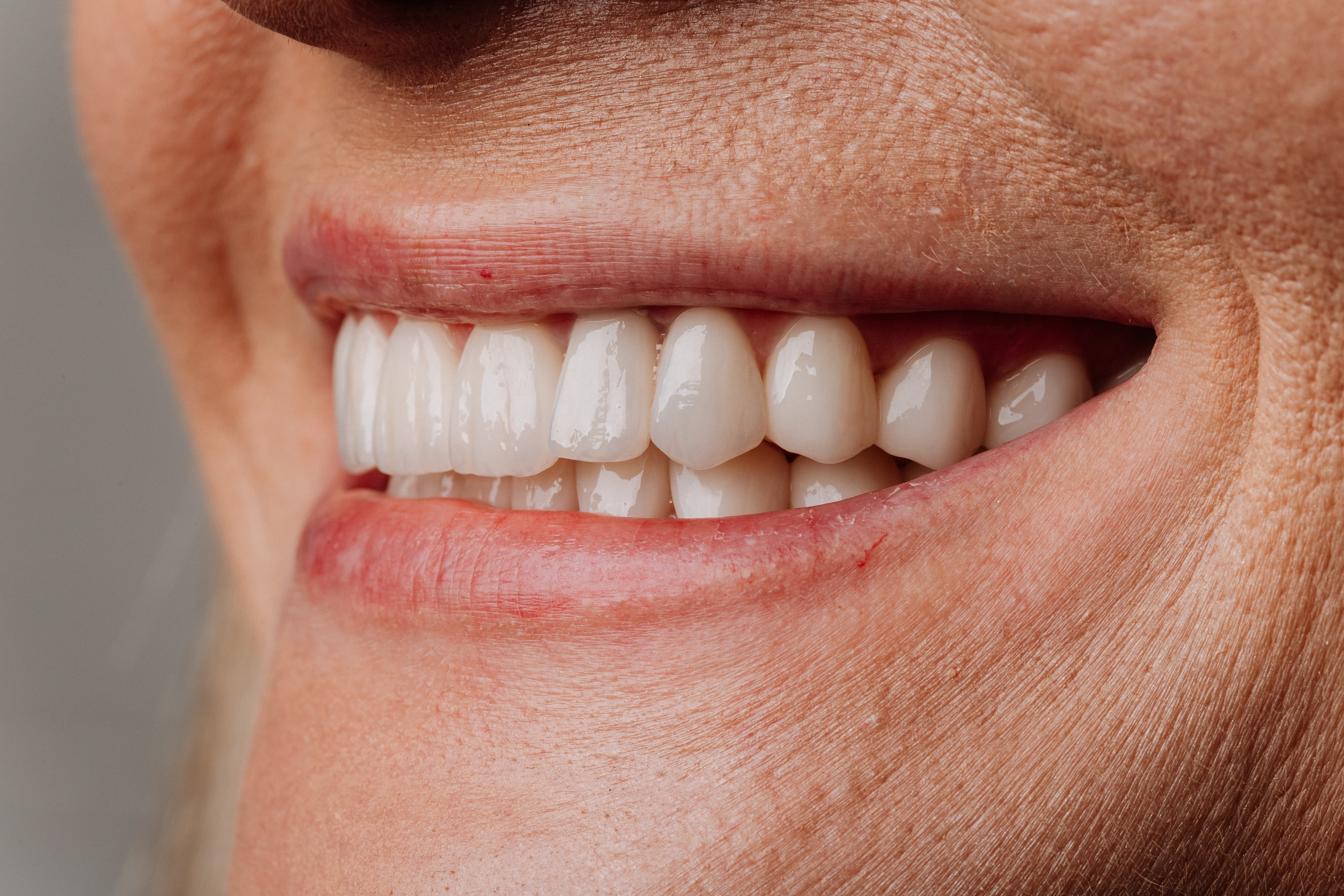
Dental Bridges Are Built For Long-Term Support
A dental bridge is designed to replace one or more missing teeth by filling the gap with a natural-looking restoration. For many patients in Sherwood, dental bridges help restore chewing ability, improve speech, support facial shape, and prevent nearby teeth from shifting out of place.
One of the most common questions patients ask is how long dental bridges last. While every smile is different, a well-made bridge can last many years with good oral hygiene, regular dental visits, and the right daily habits.
How Long Do Dental Bridges Typically Last?
Dental bridges often last 5 to 15 years, and some can last longer with excellent care. The lifespan depends on the materials used, the health of the supporting teeth, your bite, oral hygiene, and how consistently you visit the dentist.
A bridge relies on the teeth or implants around the missing tooth space for support. If those supporting structures stay healthy, the bridge has a better chance of lasting longer. If decay, gum disease, or bite pressure affects the area, the bridge may need repair or replacement sooner.
What Can Shorten The Lifespan Of A Bridge?
Dental bridges are durable, but they still need protection. The bridge itself cannot get cavities, but the natural teeth supporting it can. If plaque collects around the edges of the bridge or under the replacement tooth, the surrounding teeth and gums can become irritated or damaged.
Common factors that can shorten a dental bridge’s lifespan include poor brushing and flossing, untreated gum disease, teeth grinding, chewing hard objects, skipping dental cleanings, and changes in bite alignment. For patients in Sherwood, regular exams help us identify small concerns before they affect the bridge.
How To Care For A Dental Bridge
Good home care is one of the best ways to protect your investment. A dental bridge needs the same daily attention as your natural teeth, with a few extra steps to clean around and underneath the restoration.
Helpful dental bridge care tips include:
- Brush twice a day with a soft-bristled toothbrush
- Floss daily around the supporting teeth
- Use a floss threader, interdental brush, or water flosser under the bridge
- Avoid chewing ice, pens, or very hard foods
- Wear a nightguard if you grind or clench your teeth
- Keep up with routine dental cleanings and exams
- Call your dentist if the bridge feels loose or uncomfortable
These habits can help reduce plaque buildup, protect gum health, and keep your bridge functioning comfortably.
Why Routine Dental Visits Matter
Even if your bridge feels fine, routine checkups are important. During dental visits, we can examine the edges of the bridge, check the health of the supporting teeth, evaluate your gums, and make sure your bite is not placing too much pressure on the restoration.
Professional cleanings also remove plaque and tartar from areas that are difficult to reach at home. This is especially important around a dental bridge, where food particles and bacteria can collect near the gumline.
Signs Your Dental Bridge May Need Attention
A dental bridge should feel stable and comfortable. If something changes, it is better to schedule an appointment rather than wait. Early care may help prevent a small issue from becoming a larger repair.
You may need your bridge checked if you notice sensitivity, discomfort when biting, a loose feeling, bad taste, swelling, bleeding gums, or food getting trapped around the bridge more often than usual. These signs do not always mean the bridge needs to be replaced, but they do mean the area should be evaluated.
Repairing Or Replacing A Dental Bridge
Sometimes a dental bridge can be adjusted or repaired. In other cases, replacement may be the better option, especially if the bridge is worn, damaged, loose, or no longer fits properly. If the supporting teeth are affected by decay or gum disease, those concerns need to be treated before a new bridge is placed.
At Sherwood Dental Care, we focus on helping patients understand their options clearly. Whether you need a new dental bridge, maintenance for an existing bridge, or guidance on tooth replacement options, we can help you make an informed decision.
Protecting Your Smile In Sherwood
A dental bridge can be a strong, attractive, and functional solution for missing teeth, but its lifespan depends on consistent care. With good hygiene, routine dental visits, and early attention to changes, you can help your bridge last as long as possible.
For dental bridges, restorative dentistry, or bridge care tips in Sherwood, OR, contact Sherwood Dental Care at 15962 SW Tualatin-Sherwood Rd, Sherwood, OR 97140 by calling (503) 625-3767.
Helpful Articles
article_category: products
article_category: psychiatry
article_category: faqs
article_category: cats
article_category: general
article_category: services
article_category: technology
article_category: dogs
article_category: restorative
article_category: vision therapy
article_category: contact lenses
article_category: health
article_category: conditions
article_category: eye surgery co-management
article_category: exotic
article_category: cosmetic
article_category: surgical procedures
article_category: aesthetics
article_category: preventative
article_category: ocular disease management
article_category: eyeglasses
article_category: eye health
article_category: large animal
[]
article_category: psychiatry
article_category: faqs
article_category: cats
article_category: general
article_category: services
article_category: technology
article_category: dogs
article_category: restorative
article_category: vision therapy
article_category: contact lenses
article_category: health
article_category: conditions
article_category: eye surgery co-management
article_category: exotic
article_category: cosmetic
article_category: surgical procedures
article_category: aesthetics
article_category: preventative
article_category: ocular disease management
article_category: eyeglasses
article_category: eye health
article_category: large animal
[]
Flowbite is an open-source library of interactive components built on top of Tailwind CSS including buttons, dropdowns, modals, navbars, and more.
Check out this guide to learn how to get started and start developing websites even faster with components on top of Tailwind CSS.

All Dental Services
We offer a wide variety of dental services to the Sherwood community. Contact us with any questions about our services.

Keep In Touch
For non-urgent questions or to learn more about our services, contact us today!

Quick Links
Our Services
Contact Info
Hours of Operation
- Monday 7:00am - 5:00pm
- Tuesday 7:00am - 5:00pm
- Wednesday 7:00am - 5:00pm
- Thursday 7:00am - 5:00pm
- Friday 7:00am - 1:00pm
- Saturday Closed
- Sunday Closed
- Monday
- Tuesday
- Wednesday
- Thursday
- Friday
- Saturday
- Sunday
- Monday
- Tuesday
- Wednesday
- Thursday
- Friday
- Saturday
- Sunday
© 2026 Sherwood Dental Care. All rights Reserved -
Accessibility Statement
-
Privacy Policy
-
Sitemap
Managed and Designed by 